I do not put ads on my blog but do have a counter that shows me how many visits the pages get. (The stats. count is just there so I can see if I am 'talking' to myself, luckily so far this has not happened.) By continuing your visit here you are consenting to the stats. counter tracking cookies. Cookies, that sounds like something nice to eat but not that exciting.

Growing Your Own Fruit and Vegetables

We grow our own fruit and vegetables for our meals for as much of the year as we can. Without a greenhouse we have to buy shop food in the winter months but in the spring, summer and autumn we often have enough to share with family and friends.

Read about growing your fruit and vegetables here on my growing your own food pages.
Showing posts with label allotments. Show all posts

Sunday, 20 July 2014

Summer Time Picking Ripe Fruit.

Fruit Picking.


This year has been a good one for the amount of fruit I have picked at the allotment.

The warm weather ripened the fruit so quickly that there seemed to be no gap between the crops of different berries and blackcurrant, redcurrants and white currants. Even the red gooseberries usually the slower fruit, ripened up early.

This steady stream of ripe fruit to pick has led to work in the kitchen cooking up or preparing to freeze down the fruits. Things have finally slowed down as the Tayberry,summer raspberries and assorted currant bushes reached the end of their abundant supply in rapid succession almost overnight. I can already see signs of autumn raspberries starting to ripen and one or two blackberries on the wild part of the allotment have begun to change colour and darken up.

Thursday, 24 November 2011

Cutting Down on What we Waste is one of the Lessons learned from Growing our own Fruit and Vegetables

Since Growing our Own Fruit and Vegetables we waste less, and compost more.  


  • We now have a  rubbish bin and a recycling bin that is not full.
  • We Compost as much kitchen waste as we can.


  • We use the food we buy and grow and try not to throw any away.
  • We are aware of food miles and check were any bought vegetables and fruit are from.

Growing my own fruit and vegetables has brought home to me, that it really is wrong to throw good food in the bin if you can prevent it.  I never was one to discard good food but the skills of soup making from the vegetables that I grow and cooking up the fruits into something tasty have improved my coking skills

Wednesday, 23 November 2011

Some things that you must not compost

There are some things that you should not put on a compost heap, mainly for health reasons or because they will cause problems - 


Here is a list of a few things that should not go into compost


  • Pet waste such as cat or dog waste, 
but guinea pig and rabbit bedding is OK as it is good for composting.


  • Meat, cheese and general kitchen waste cooked food
this is because it encourages rats and mice. 


  • Perennial weeds, (and weeds with seeds if the heap is not heating up enough to kill the weed seeds).

Grass cutting are OK in the compost but not a huge heap of cuttings thrown into the bin or on the heap in one go. 


Planting Garlic Now - well as soon as possible

Garlic needs to be planted and in the ground when the temperature drops. The reason is that it needs the spell of cold weather to encourage the individual cloves that you plant to split into cloves before they grow and plump up later on in the growing season.

Sunday, 20 November 2011

Ten Things You Can Compost, everyday things that can be composted easily.

Here is a list of 10 things you can put onto the compost heap or into the compost bin...

  1. Banana skins.
  2. Vegetable peelings.
  3. Brown cardboard boxes.
  4. Bedding from the rabbit hutch or guinea pig hutch, this will be mainly straw or hay with a bit of rabbit or guinea pig poop included. 
  5. Grass cuttings (but do not throw on too many at once. Do not use grass cuttings for compost heaps and bins if you have used chemicals such as weeding or feeding mixes.)
  6. Tea bags (so long as yours do not have 'plastic liner').
  7. Coffee grounds.
  8. Egg shells (you might want to crush them first as they compost down quicker if you do.)
  9. Kitchen towel that has not been near meat or cleaning chemicals.
  10. Anything old that is made of 100% cotton like t-shirts; but they do take a long time to compost down. 

Sunday, 17 January 2010

What gardening tools will you need ...

What Basic Tools To Buy for Growing Vegetables or Gardening?">

The above link is to a page that gives advice for new gardeners or allotment keepers on how to decide what tools you will need to buy.

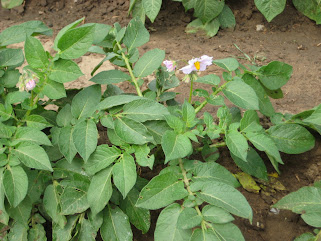
a healthy potato plant in flower

a healthy potato plant in flower
photo of potatoes in flower

home grown carrots.. grown from seed

home grown carrots.. grown from seed
photo of my first bunch of carrots 2009

Even a small batch of mixed fruit can be useful

Even a small batch of mixed fruit can be useful
Home Grown Fruit can be made into delicious compote