Time to make the most of autumn in the garden. In the depth of winter some days the only gardening you can do is to look at seed catalogues and plan next year's crops and planting plans. However at the moment time and weather permitting, the vegetable plot can be cleared of plant debris and the areas that need compost can be treated to a layer of your' finest' home-made compost, courtesy of - waste from the kitchen, the garden, plus a bit of time and effort. It really is like some rustic version of alchemy the way that products we would normally discard and send to land-fill can be converted into such a useful substance as compost.
The purpose of compost on the vegetable plot is to replenish it ( a way of putting back) after the 'effort' the soil has put into producing crops for you. It also makes the soil easier to work be it sandy or clay soil and helps add nutrients to the soil and humus. The quantities of these that compost adds or is composed of depends on the quality of the compost.
When you first start to make compost I believe the import thing is to learn the process; which is relatively simple.
The art in producing compost comes as you get more experienced at making it and you learn how to make better compost, and possibly quicker.
Composting Tip:
If you have comfrey plants growing on your allotment/vegetable plot adding the leaves to the compost heap is a good idea.
You can also add green manure plants from the plot to the compost such as Phacelia - if you do not want to dig it into the soil.
helpful information for those starting to grow their own fruit and vegetables with updates on what is happening on our plot throughout the year -
I do not put ads on my blog but do have a counter that shows me how many visits the pages get. (The stats. count is just there so I can see if I am 'talking' to myself, luckily so far this has not happened.) By continuing your visit here you are consenting to the stats. counter tracking cookies. Cookies, that sounds like something nice to eat but not that exciting.
Growing Your Own Fruit and Vegetables
We grow our own fruit and vegetables for our meals for as much of the year as we can. Without a greenhouse we have to buy shop food in the winter months but in the spring, summer and autumn we often have enough to share with family and friends.
Read about growing your fruit and vegetables here on my growing your own food pages.
Showing posts with label compost. Show all posts
Showing posts with label compost. Show all posts
Wednesday, 27 October 2010
Thursday, 21 October 2010
Kitchen Waste That Can be Made into compost..
Here is a list of foods that are easy to turn into compost if you add them to a compost heap and follow the simple guide lines for successful composting -
List of things that you can put on a compost heap:
List of things that you can put on a compost heap:
- Banana skins.
- Peelings of vegetables and fruits such as apples.
- Tea bags (when the bag is made of paper.)
- Kitchen towel (that is clean and not tainted e.g. by chemicals or meat.)
Other household waste that can be composted:
- Brown paper bags.
- Brown cardboard.
- Bedding from rabbits and guinea pigs.
- organic cotton e.g.old clothes
- grass cuttings where the grass has not been treated e.g. with weed or moss killer.
- Prunings and clippings from the garden.
If you turn these into compost you will get a useful mulch for your garden from items that would have ended up in your household rubbish bin.
= You gain compost and save on what is sent to landfill sites.
Subscribe to:
Posts (Atom)
a healthy potato plant in flower
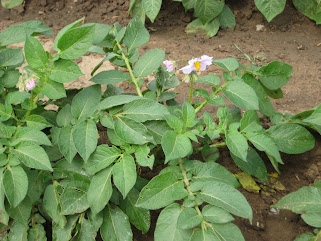
photo of potatoes in flower
home grown carrots.. grown from seed

photo of my first bunch of carrots 2009
Even a small batch of mixed fruit can be useful

Home Grown Fruit can be made into delicious compote